Why Furniture Testing Consultation Matters More Than You Think
When you walk into a furniture store or browse through an online catalog, everything looks perfect. The wood gleams, the cushions look plump, and the finish seems flawless. But looks can be deceiving. That’s exactly where furniture testing consultation steps in — and honestly, it’s one of the most underrated services in the furniture industry.
What Is Furniture Testing Consultation?
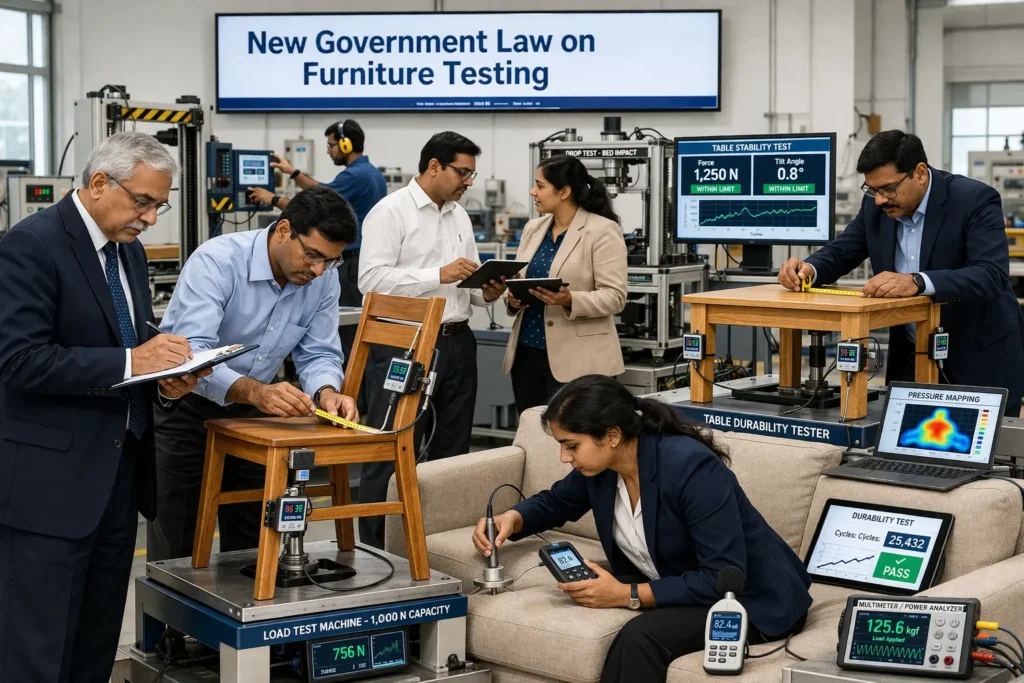
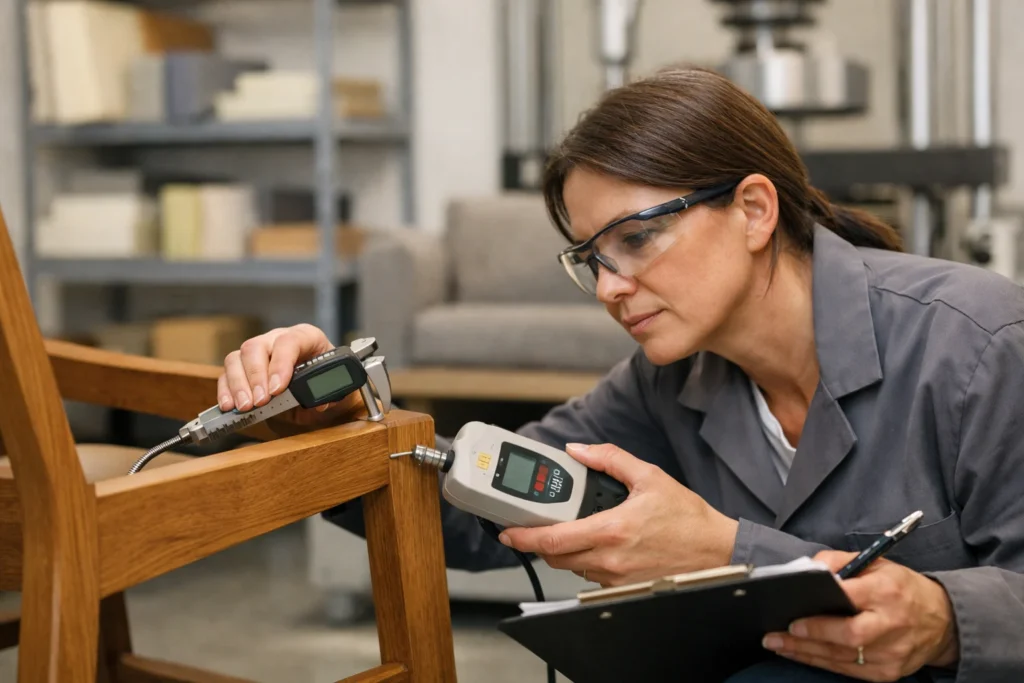
Simply put, furniture testing consultation is a professional service that helps manufacturers, retailers, and even buyers understand how furniture performs — not just how it looks. A consultant evaluates furniture pieces against safety standards, durability benchmarks, and quality checks before the product reaches the customer.
Think of it like a health check for your sofa or dining table. A doctor doesn’t just look at you from across the room and say you’re fine. They run tests. Furniture consultation works the same way.
Why Do Manufacturers Need It?
Furniture manufacturers face pressure from two sides. On one hand, they need to keep production costs manageable. On the other, they have to meet safety regulations and customer expectations. Without proper testing guidance, it’s easy for things to go wrong.
A good furniture testing consultant helps manufacturers:
- Choose the right materials that meet both budget and durability goals
- Understand which international standards apply to their products (like BIFMA for office furniture or EN standards in Europe)
- Spot weak points in a design before mass production begins
- Avoid costly product recalls or customer complaints down the line
Catching one structural flaw before production saves far more money than dealing with returns and reputation damage afterward.
What About Retailers and Importers?
If you’re importing furniture or buying in bulk to resell, you’re trusting that your supplier has done everything right. But have they?
A furniture testing consultant can act as your independent third eye. They’ll review test reports, flag gaps in compliance, and sometimes even visit factories to verify that what’s on paper matches what’s being built. This kind of due diligence protects your business and your customers at the same time.
Common Things a Consultation Covers
Every consultation varies depending on the product and market, but most cover these key areas:
Structural Integrity — Can the chair handle repeated use without wobbling or breaking? Tests simulate thousands of use cycles to check this.
Material Safety — Does the foam, fabric, or wood finish contain harmful substances like formaldehyde or heavy metals? This is especially critical for children’s furniture.
Flammability — Many regions have strict rules about how furniture should behave in a fire. A consultant helps you understand what’s required and how to meet it.
Finish and Surface Quality — Scratches, peeling, and fading affect customer satisfaction. Testing looks at how surfaces hold up over time.
Load and Weight Capacity — Every piece needs to perform safely under expected loads, and often beyond.
Who Should Consider a Consultation?
The honest answer is: almost anyone in the furniture supply chain.
A small workshop launching its first product line can benefit just as much as a large manufacturer entering a new export market. Even interior designers or procurement teams sourcing furniture for hotels or offices should consider getting professional guidance to avoid issues after installation.
The Bottom Line
Furniture testing consultation isn’t just a box to tick. It’s practical, money-saving advice that connects the gap between a design idea and a product that customers can actually trust and enjoy.
Good furniture lasts years, sometimes decades. Making sure it’s built right from the start — with the help of someone who knows exactly what to look for — is simply smart business.
If you’ve never explored furniture testing consultation before, now might be the right time to start that conversation.